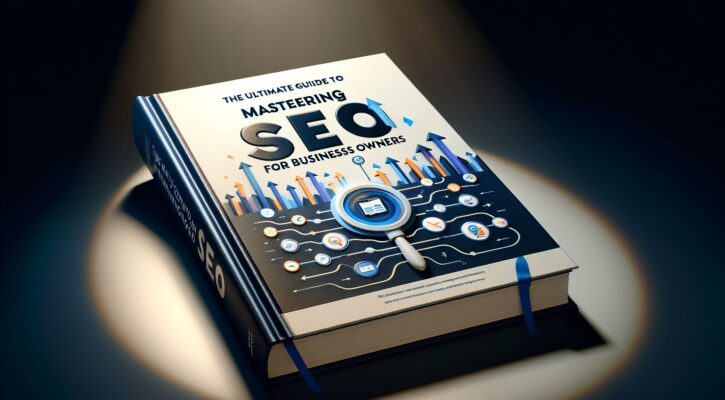
The Ultimate Guide to Mastering SEO for Business Owners
September 5, 2024
SEO (Search Engine Optimization) is the process of optimizing your website so it ranks higher in search engine results, helping potential customers discover your business. This guide covers what SEO is, why it matters, the key components, and best practices you can apply to your site.
What Is SEO?
Search engines like Google, Bing, and Yahoo use complex algorithms to judge the quality and relevance of websites in response to a user’s search query. Optimizing your site for those algorithms raises your chances of ranking higher, which increases visibility and drives more organic traffic to your website.
Why SEO Matters for Your Business
SEO is a cost-effective way to attract targeted traffic to your website. Appearing at the top of search results puts you in front of people who are actively searching for the products or services you offer. Studies show that organic search results get a higher click-through rate than paid advertising, which makes SEO a worthwhile long-term investment for your business.
What Are the Key Components of SEO?
-
Keyword Research: Identifying the right keywords to target is the foundation of a successful SEO strategy. Use tools like Google Keyword Planner to find relevant keywords with high search volume and low competition.
-
On-Page Optimization: Optimizing your website’s content, meta tags, and URLs for specific keywords improves your site’s visibility in search results.
-
Off-Page Optimization: Building quality backlinks from reputable websites boosts your site’s authority and improves its search engine rankings.
-
Technical SEO: Making sure your website is properly structured, loads quickly, and is mobile-friendly also affects your search engine rankings.
What Are the Best Practices for SEO Success?
-
Create High-Quality Content: Publishing informative and engaging content that is relevant to your target audience helps you attract more organic traffic and build credibility with search engines.
-
Optimize for Local Search: If your business serves a specific geographic location, optimize your website for local search by including relevant keywords and creating a Google My Business profile.
-
Monitor Performance: Use tools like Google Analytics to track the performance of your SEO efforts, including organic traffic, keyword rankings, and user engagement.
-
Stay Current: SEO changes often, and search engines regularly update their algorithms. Keep up with the latest trends and best practices so your website stays competitive.
Putting It All Together
Mastering SEO can bring more organic traffic to your site, generate leads, and increase your online visibility. The strategies in this guide give you a practical starting point for optimizing your website for search engines. SEO is a long-term investment that requires time and effort, and the payoff shows up over months of consistent work. Begin applying these strategies today and track the results as your rankings improve.
Related coverage
- The Ultimate Guide to Mastering SEO for Business Owners
- **The Ultimate SEO Guide: What Business Owners Need to Know in 2024**
FAQ
What is SEO and why does it matter for business owners?
SEO, or Search Engine Optimization, is the process of optimizing your website so it ranks higher in search engine results pages. It matters because it is a cost-effective way to reach people who are actively searching for the products or services you offer, and organic search results typically get a higher click-through rate than paid advertising.
What are the key components of an SEO strategy?
The four key components are keyword research, on-page optimization, off-page optimization, and technical SEO. Keyword research identifies what to target, on-page optimization tunes content and meta tags, off-page optimization builds quality backlinks, and technical SEO covers site structure, speed, and mobile-friendliness.
How can business owners measure the results of their SEO efforts?
Use tools like Google Analytics to track organic traffic, keyword rankings, and user engagement. Pair that data with regular reviews of your Google Keyword Planner findings to refine the keywords and pages you target over time.
Related coverage
- The Ultimate Guide to Mastering SEO for Business Owners
- **The Ultimate SEO Guide: What Business Owners Need to Know in 2024**