Local Search Engine Optimization Strategies for SEO
July 4, 2021
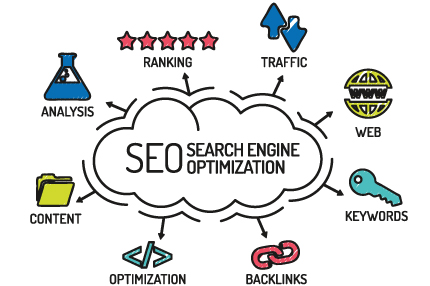
Local search engine optimization rests on three organic techniques (on-site optimization, off-site optimization, and link building), backed by relevant content and clean linking practices. Paid campaigns such as Google AdWords and Yahoo Search Marketing can drive traffic, but long-term rankings depend on the work put into organic SEO, since keywords that worked a few months ago may stop working as search algorithms shift.

What are the three primary organic SEO techniques?
Organic search engine optimization breaks down into three primary techniques:
- On-site optimization, which includes meta tags, directory submissions, and site maps, is how experts create links to a site.
- Off-site optimization, or search engine optimization, is what experts do to improve a site’s rankings among major search engines and directories.
- Link building, which involves creating inbound links from other websites. These links matter for improving rankings among leading search engines such as Google and Yahoo.
How do you start organic search engine optimization?
The first step in organic search engine optimization is to get on the top of the search results, which requires work on-site, off-site, and across organic search results. A good way to start the research is to look at current search results to see how well each of the pages is doing. Check the number of visitors, the bounce rate, and the actual page views. These metrics show whether you need to focus on off-site optimization.
Which techniques improve organic search results?
In addition to on-site and off-site optimization, many experts recommend organic techniques such as link building, content marketing, and keyword targeting. Using a combination of these techniques can boost your website’s rankings and make it more likely that your site will show up in organic search results.
What is black hat SEO and why do businesses avoid it?
Black hat SEO isn’t as popular as white hat search engine optimization techniques, but it is just as important. Black hat practices are frowned upon by most search engines, which is why businesses tend to shy away from them. However, these techniques still have their place in the world of SEO. The techniques used in black hat are unethical and overused, but they are not completely banned like white hat techniques are.
A black hat is an unscrupulous practice that search engines frown upon because it can get web pages to show up in search results for bogus or spammy keywords. One common example is using the word “free" in your URL. If you use this trick enough, search engines might consider your web pages to be spam. Another tactic is using the keyword “cancellation" multiple times in your URL. This practice gets your page banned in most cases.
How should local businesses approach content and linking?
If you want to rank for “business" or “stores" in a local business directory, you don’t need to resort to black hat strategies. Aim to provide content on your web pages that is relevant to the business you are targeting. The content must also be timely and informative, as well as useful to the users who will be finding your web pages. For example, if your local business sells furniture, your articles should offer some information about the furniture and the history of the brand.
A final consideration is linking schemes. Search engine users generally look for webpages that feature one or more links. These schemes can take the form of anchor text links, direct hyperlinks, or contextual links. They allow search engines to determine how many times a site has been linked to by other sites. If you have too many reciprocal linking schemes, you can get penalized by search engines for practices that are considered spam.
Related coverage
- SEO for Business Owners: Unleashing the Power of Search Engine Optimization
- Local Search Engine Optimization For Small Businesses
Related coverage
- SEO for Business Owners: Unleashing the Power of Search Engine Optimization
- Local Search Engine Optimization For Small Businesses